

Eclipses: Ancient Han Dynasty vs. Modern-Day 2024
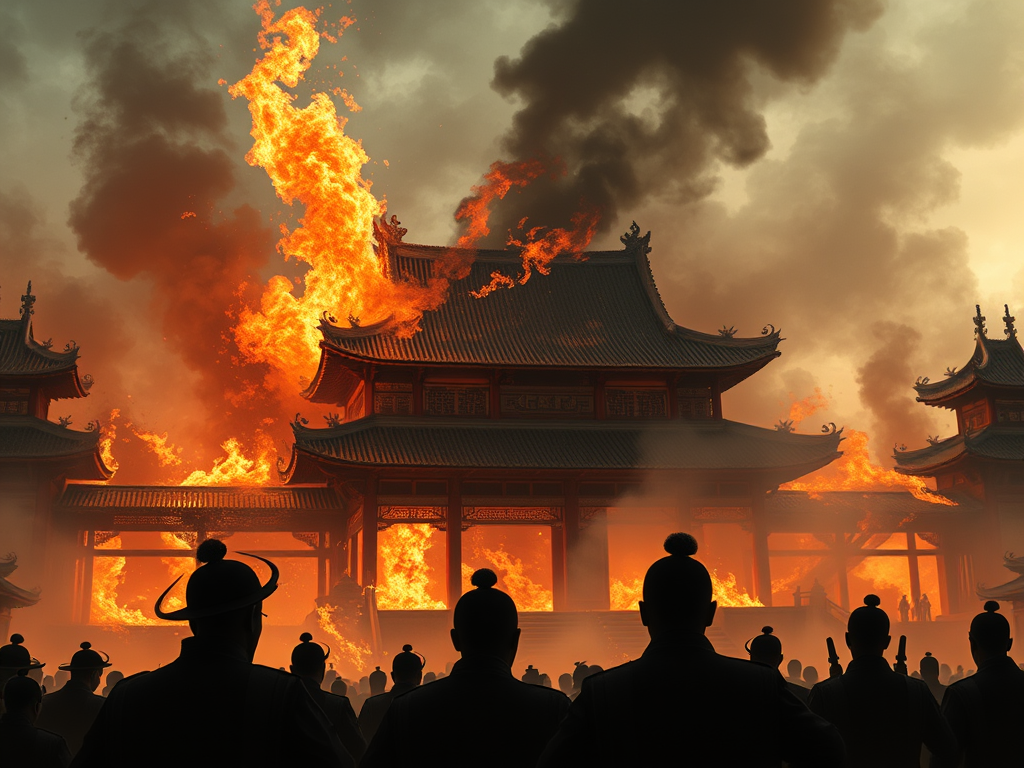
The eclipse in the declining years of the Han Dynasty and the eclipse of 2024 offer fascinating comparisons. They reveal intriguing parallels and contrasts. At the end of the Han Dynasty, eclipses were profoundly alarming. They were seen as unmistakable warnings of impending political turmoil. They also signaled a loss of the Mandate of Heaven. Common people viewed them with dread, fearing instability, famine, or war.
The 2024 eclipse was scientifically explained and eagerly anticipated by many. It still symbolically echoed potential political and social shifts. This subtly influenced public sentiment and discussions about leadership and stability.
Why Was the Eclipse Crucial at the End of the Han Dynasty?
For the people living through the chaotic twilight of the Han Dynasty, an eclipse was more than a celestial curiosity. It was an urgent message from heaven. It provided justification for rebellion, reshaped political alliances, and reinforced the perception that the emperor had lost divine favor. This pivotal moment, captured in “The Eclipse” chapter, vividly highlights the psychological intensity and real-world impact of celestial phenomena.
In “Eunuchs, Usurpers, and Heroes: A Three Kingdoms Thriller,” the eclipse isn’t merely a dramatic device. It’s a powerful metaphor, reflecting deep-seated human fears and the ever-present uncertainty of political change. As we read, we are reminded of our universal human vulnerability. Even today, cosmic events continue to fascinate. They subtly shape our views on power and stability.
Read more analysis from the book Ancient Minds, Modern Lessons: Timeless Psychology from the Three Kingdoms.


Leave a Reply