

Behind the Curtain: The Intriguing Power of Eunuchs in ‘Eunuchs, Usurpers, and Heroes‘
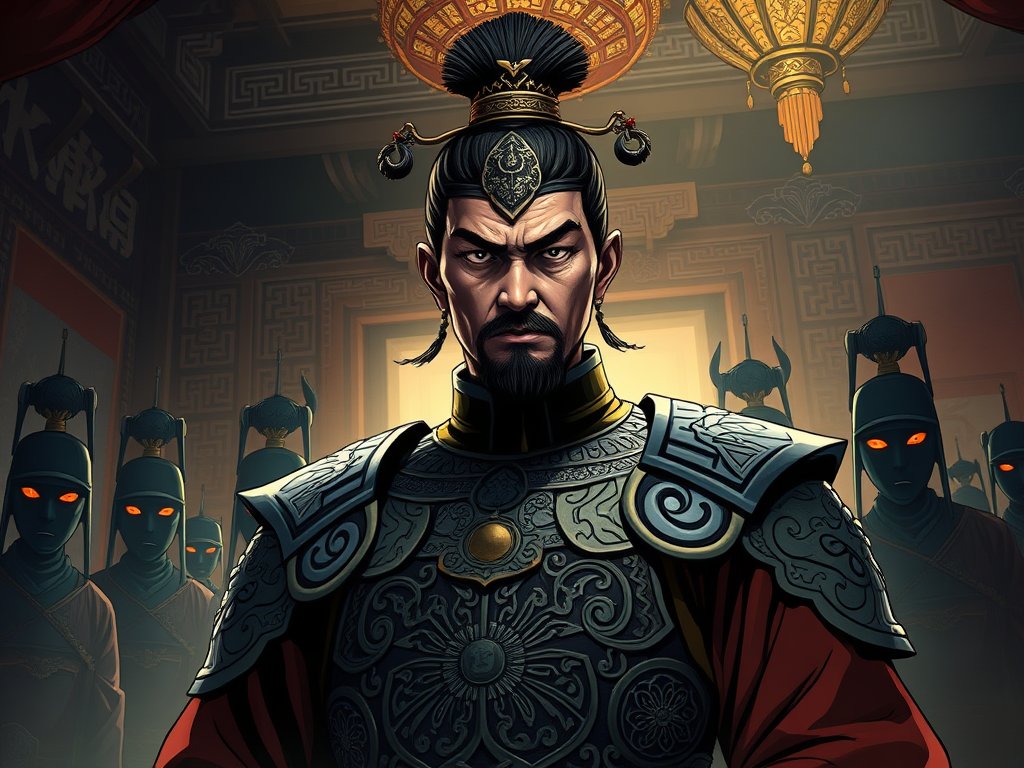
In the captivating second chapter of “Eunuchs, Usurpers, and Heroes: A Three Kingdoms Thriller,” titled “The Eunuch Faction,” readers explore the shadowy corridors of imperial power. Eunuchs wielded immense influence behind the throne. But who exactly were these mysterious figures, and how did they come to hold such power?
Eunuchs in Chinese History: More than Just Servants
Eunuchs in ancient China originated as palace servants, primarily tasked with guarding royal harems and handling sensitive imperial duties. However, their proximity to the emperors and their isolation from conventional family ties allowed them to become key political players. Eunuchs did not have heirs to pass their influence onto. As a result, they often became ruthlessly ambitious. They sought to secure wealth and power during their lifetime.
The Psychology of Power: Ambition Born of Isolation
The psychological drive behind the eunuchs’ quest for power is fascinating. Deprived of typical family bonds and social acceptance, eunuchs often experienced deep-rooted insecurity and loneliness. Power became their primary means of validation and protection. As portrayed vividly in the novel, their intense ambition was fueled by the need to compensate for their vulnerabilities. They employed cunning strategies to address their physical and social challenges. Controlling emperors provided a psychological balm for their marginalized status, turning their perceived weakness into dominance.
Read more analysis from the book Ancient Minds, Modern Lessons: Timeless Psychology from the Three Kingdoms.


Leave a Reply
You must be logged in to post a comment.