

East vs. West: A Tale of Two Courts
The relationship between emperors and eunuchs in ancient China contrasts dramatically with the Western historical context. In Byzantium and the Ottoman Empire, eunuchs served predominantly as trusted household servants or palace administrators, rarely exerting political dominance. European monarchs usually relied on noble advisors or clergy for counsel. Their power structures were less conducive to eunuch dominance.
In China, however, eunuchs directly influenced imperial policies, controlled military appointments, and even dictated succession. These were unthinkable scenarios in Western courts. This difference highlights a unique cultural and political dynamic. Chinese emperors consciously empowered eunuchs to neutralize rival power blocs. This empowerment inadvertently created dangerous internal threats.
The Black Serpent’s Warning: Lessons for Today
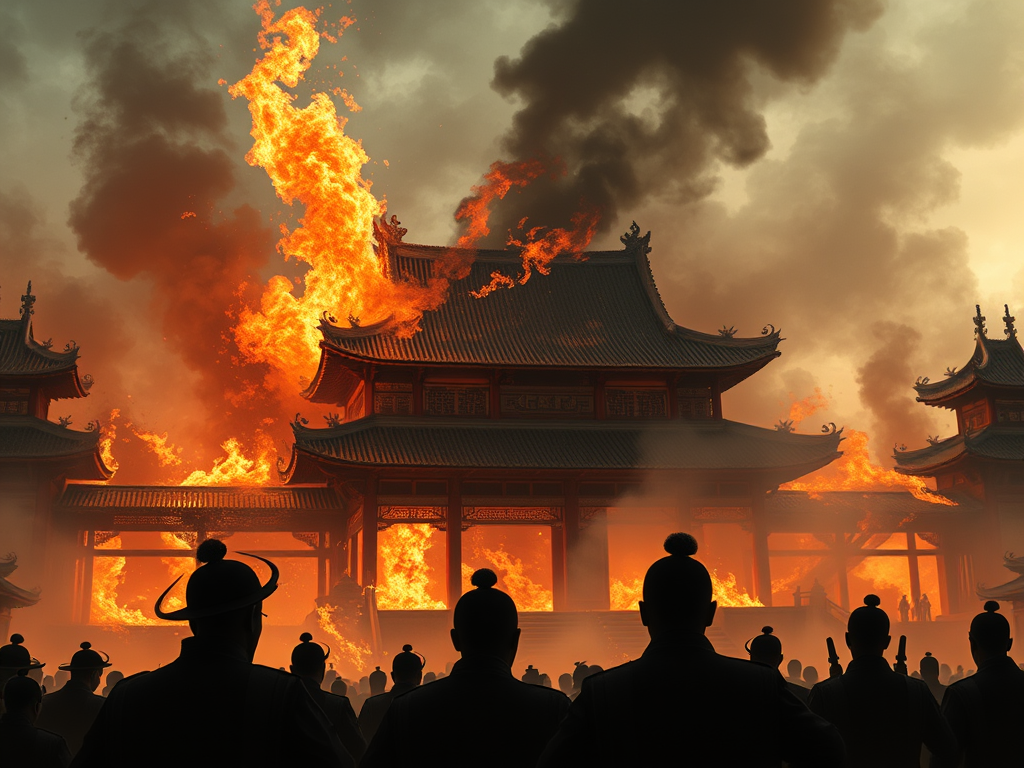
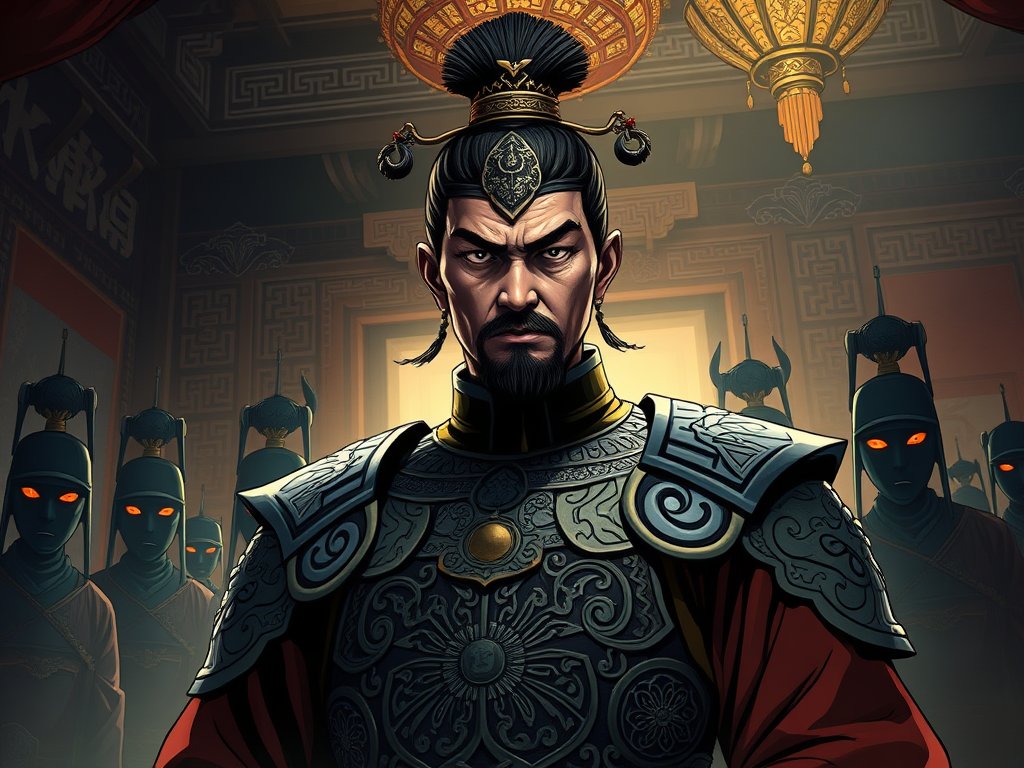
“The Black Serpent” vividly portrays the dangers inherent in this toxic relationship. Eunuchs, initially trusted allies, soon became powerful enemies hidden in plain sight. Today, similar scenarios occur in modern politics and corporations. Insecure leaders empower manipulative advisors. These advisors prioritize personal ambition over the institution’s well-being.
Thus, Eunuchs, Usurpers, and Heroes: A Three Kingdoms Thriller offers more than historical drama. It’s a timeless psychological cautionary tale about the peril of entrusting power to advisors who exploit insecurity. These advisors do this rather than showing genuine loyalty.
Through this thrilling novel, readers gain insight. Personal fears and emotional isolation have shaped history. These factors transformed eunuchs from loyal shadows into mighty serpents poised to strike.
Read more analysis from the book Ancient Minds, Modern Lessons: Timeless Psychology from the Three Kingdoms.



Leave a Reply