
Aroma’s Path to Calm
Stress and anxiety have become prevalent conditions affecting billions in our increasingly fast-paced world. However, amidst this whirlwind of emotions, an ancient practice offers a beacon of relief. Once considered mystical, aromatherapy is now rooted in science.
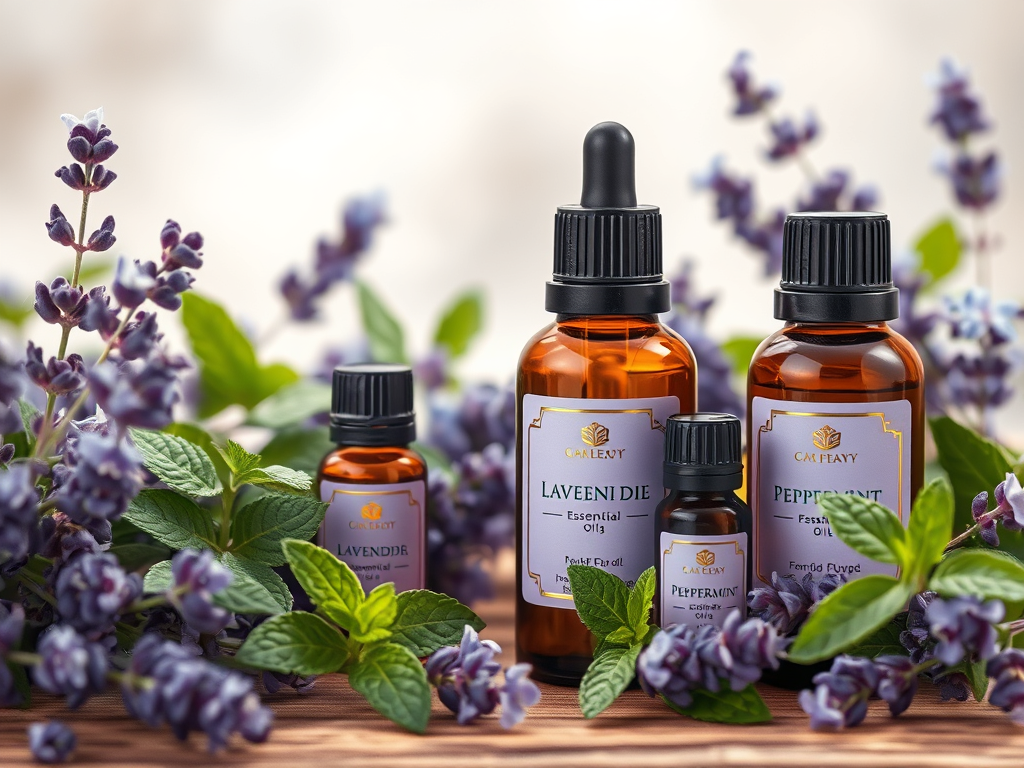
For many, the soothing scent of lavender is an integral part of their self-care regimen. Others find the invigorating aroma of peppermint essential. This is not just about smelling nice—scientific research reveals how using specific fragrances, known as aromatherapy, can help ease anxiety. So, how does this work? What are its origins? What kinds of materials are most beneficial?
Aromatherapy is a healing method that applies natural plant extracts to promote health and well-being. Aromatherapy offers many benefits. One prominent benefit, especially in recent years, is its potential to ease anxiety.
Historically, various cultures have practiced aromatherapy for thousands of years. The Egyptians used aromatic plant compounds in their rituals and medicines. The Greeks and Romans widely employed scented oils for their therapeutic properties. The ancient Chinese also applied fragrant herbs to heal diseases.
Fast forward to the 21st century, and modern science has probed this age-old practice. Research focuses on understanding the impact of various aromas on the nervous system, particularly in relation to stress and anxiety.
From ancient cultures’ time-honored traditions to modern scientists’ laboratories, aromatherapy has crossed epochs and geographies. This fascinating art of using aromatic essential oils for health and well-being has gained particular attention in managing anxiety. Lavender and bergamot oils have been scientifically shown to ease anxiety symptoms. They promise a fragrant path to tranquility and peace.
For more information, visit Pathways to Peace: A Journey Through Aromatherapy, Music, Meditation, and Exercise for Anxiety Relief.




Leave a Reply