

Queens Behind the Curtain: Power Struggles in “Empress Dowagers’ Battles”
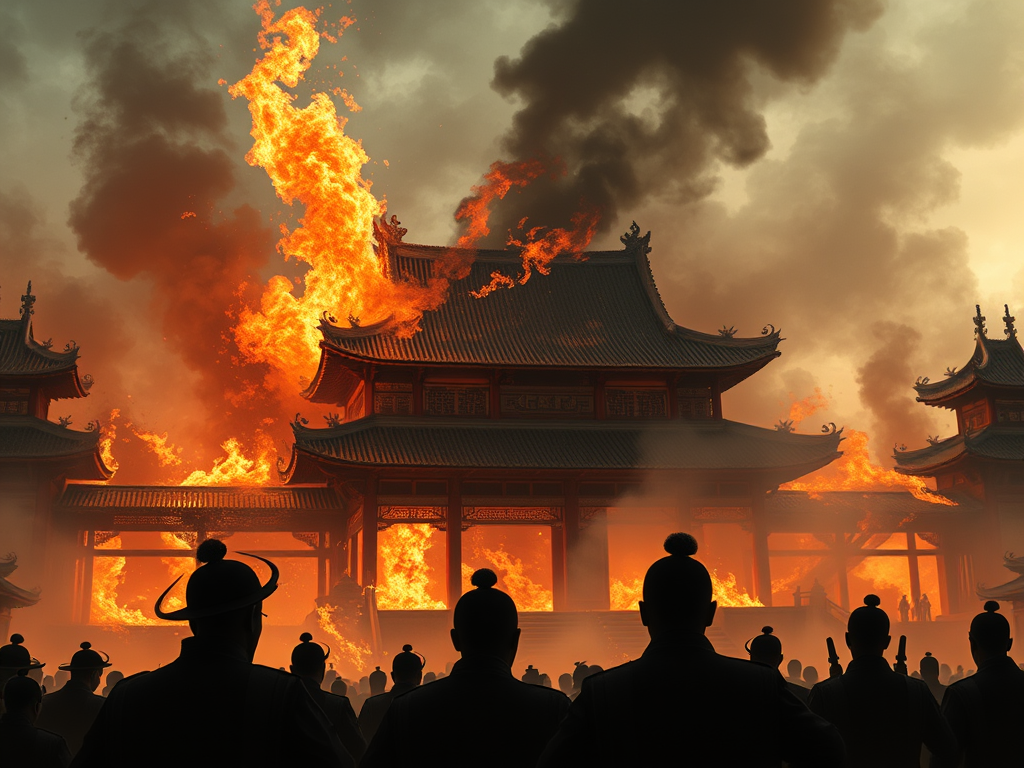
One of the most cutthroat arenas of imperial politics was not the battlefield, but the inner palace, where silken robes conceal razor-sharp ambitions. It was a lesser-seen but incredibly influential force in Chinese history: the political warfare between women at the heart of the dynasty.
The Inner Court Wars: Not So Quiet After All
In many Chinese dynasties, the emperor’s death didn’t mean peace in the palace—it often sparked all-out war between the empress dowager (the emperor’s mother) and the new empress consort (his wife). Both women vied for influence over the new emperor and court affairs. With no official role in government, their weapons were gossip, alliances with eunuchs, control over the emperor’s upbringing, and influence in court appointments.
In the late Han Dynasty, this was especially dangerous. The conflict between Empress Dowager He and Empress Dowager Dong—each aligned with different factions and eunuchs—contributed to massive political instability, the manipulation of child emperors, and ultimately, the downfall of the dynasty.
These weren’t just palace squabbles; they decided who ruled behind the throne.
The book, “Ancient Minds, Modern Lessons: Timeless Psychology from the Three Kingdoms,” further explores these concepts.



Leave a Reply