-
 Continue reading →: Dynamic Health: A New Perspective on Systems Medicine
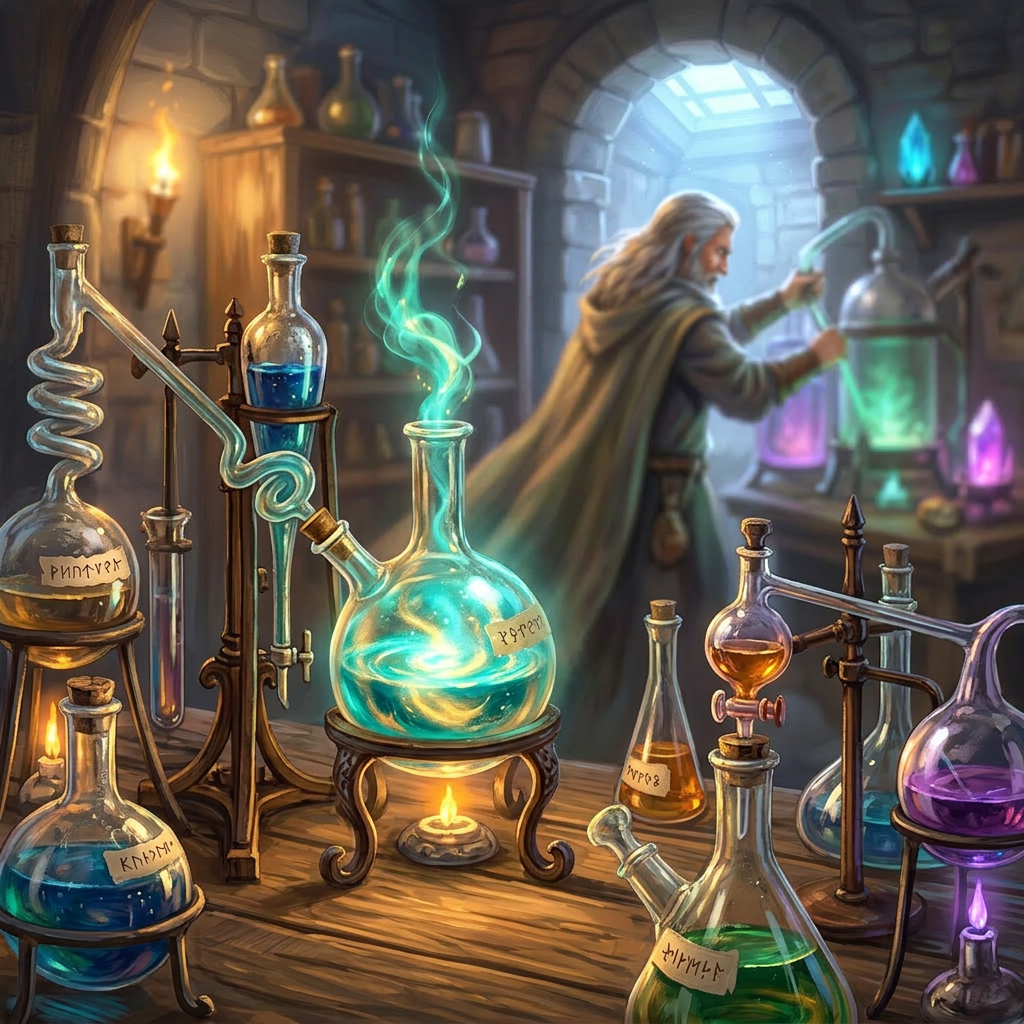
“Medicine in Motion presents health as a dynamic journey influenced by various mechanisms. It combines ancient wisdom and modern science to explore patterns in biological systems, enhancing understanding of chronic conditions. The book advocates for a predictive logic in systems biology, connecting diverse disciplines and reinterpreting the Yin-Yang concept scientifically.”
-
 Continue reading →: Why Modern Medicine Struggles with Chronic Disease
Modern medicine effectively addresses emergencies but struggles with chronic conditions like inflammation and autoimmune disorders. These illnesses are dynamic, not static, requiring a new framework for understanding health as a process. Yin-Yang Systems Science offers a perspective on restoring balance to treat chronic disease effectively.
-
 Continue reading →: Unveiling Power: Men Behind Palace Walls
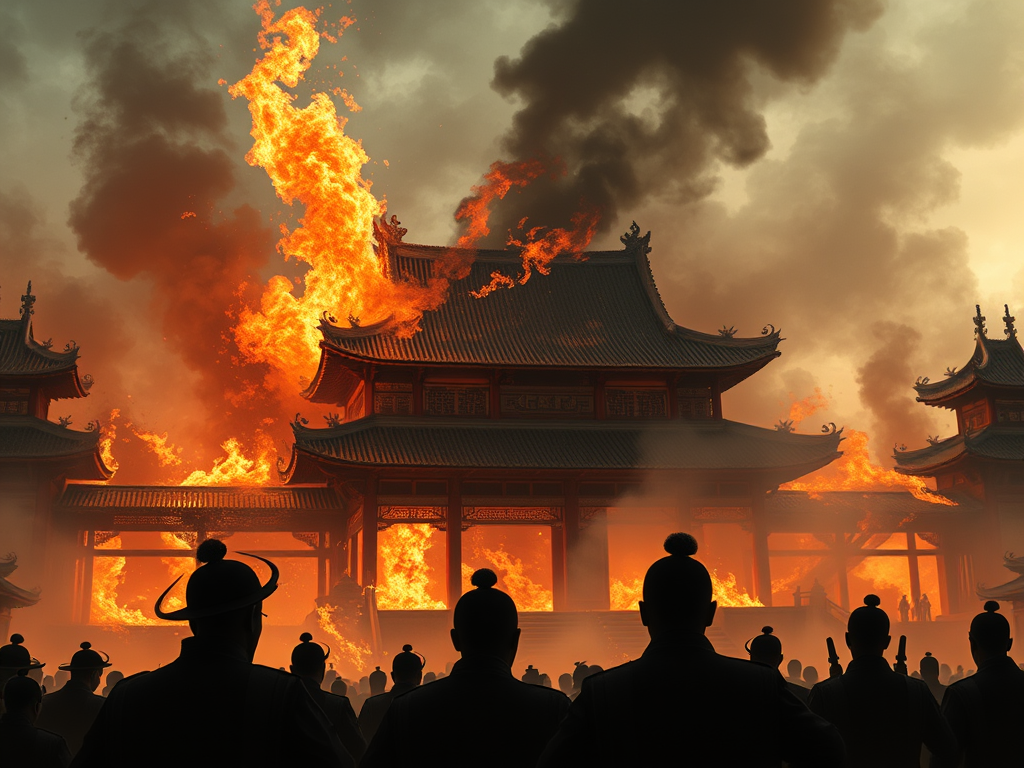
The article discusses the burning of the Han Empire’s palace as a significant event reflecting deeper political turmoil. It highlights the influential roles of eunuchs and other figures within the palace. Historical parallels illustrate how palace fires symbolize broader dynastic collapses, highlighting the destruction of power, legitimacy, and memory in…
-
 Continue reading →: The Fall of the Han Dynasty: Eunuchs and Power Struggles
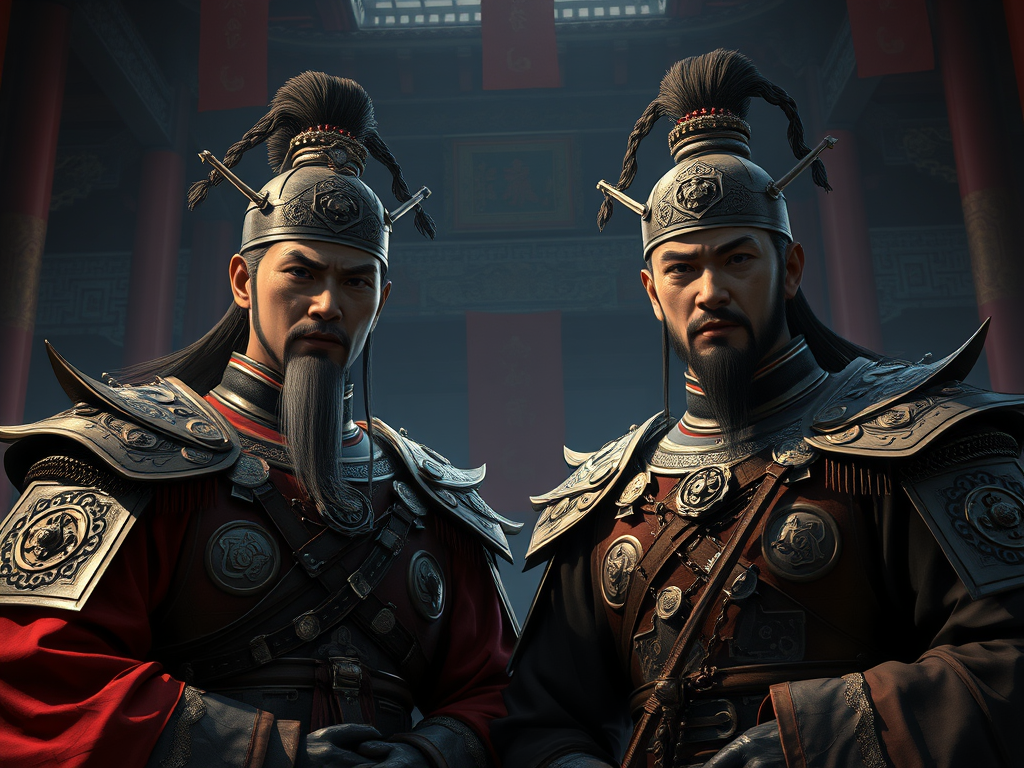
The comparison of Generals Dou Wu and He Jin reveals their failure to navigate the cunning political landscape dominated by palace eunuchs. Their lack of secrecy, speed, and strategic control led to the potential downfall of the Han dynasty. Their stories illustrate the necessity of strategy in the quest for…
-
 Continue reading →: Betrayal and Strategy: Insights from Dou Wu’s Downfall
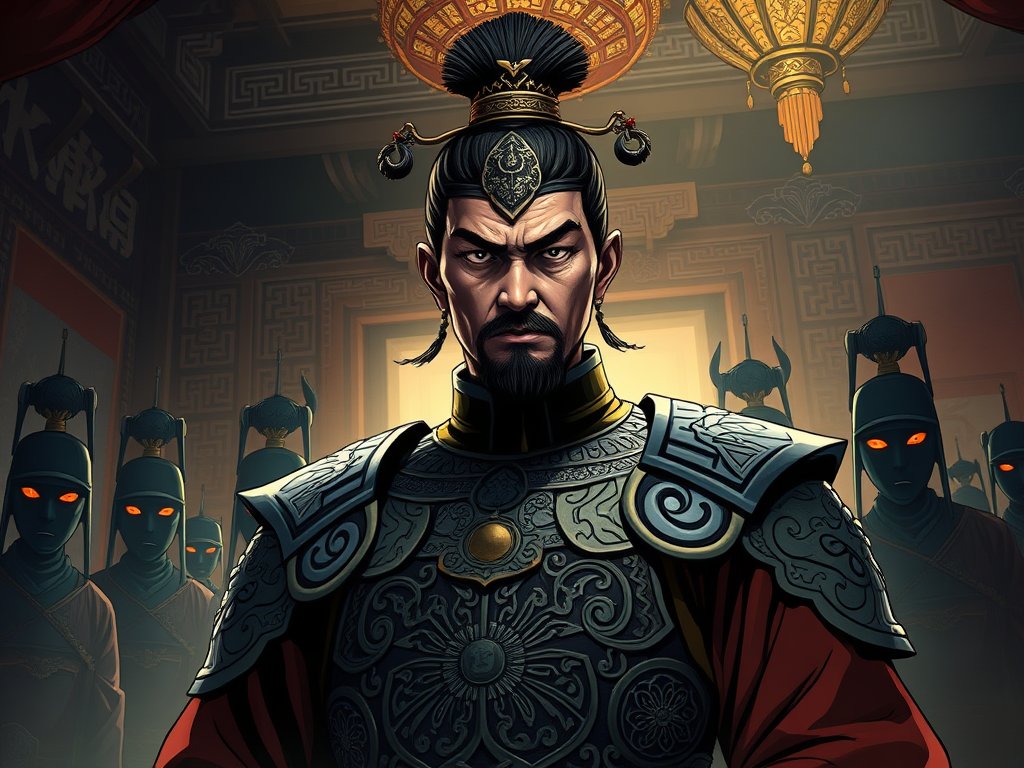
It was a treacherous world of palace politics—where betrayal can be more lethal than battle. Grand General Dou Wu attempted to confront the growing power of the palace eunuchs. But instead of cleansing the court, he was outmaneuvered, outplayed, and ultimately destroyed by the very men he sought to eliminate.
-
 Continue reading →: Power Plays: Women Behind the Thrones
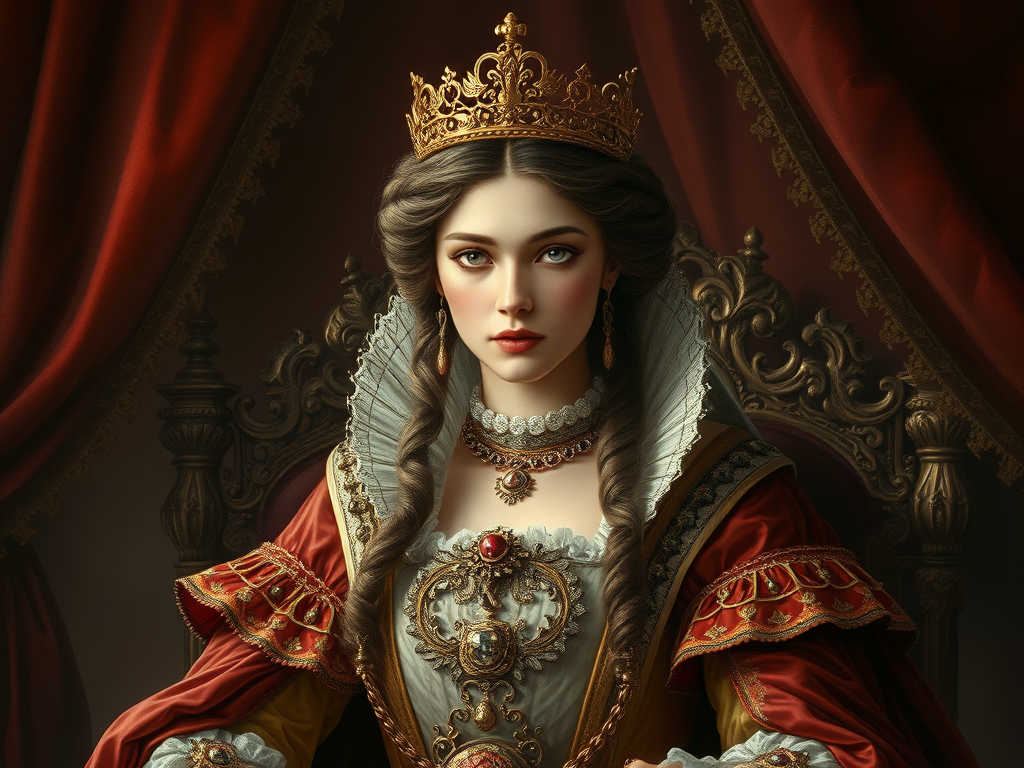
Western royal courts experienced maternal power struggles similar to those in China, exemplified by figures like Queen Catherine de’ Medici and Eleanor of Aquitaine. These women wielded informal influence to protect their families and navigate treacherous political landscapes, demonstrating that power often resided behind the throne rather than on it.
-
 Continue reading →: The Hidden Wars: Empress Dowagers’ Political Maneuvering
The inner palace of Chinese dynasties was rife with political power struggles, particularly between the empress dowager and the empress consort following an emperor’s death. Their fierce rivalry often influenced court affairs and led to significant political instability, as exemplified by the dangerous conflict during the late Han Dynasty.
-
 Continue reading →: Why Succession Crisis Leads to Empire Collapse
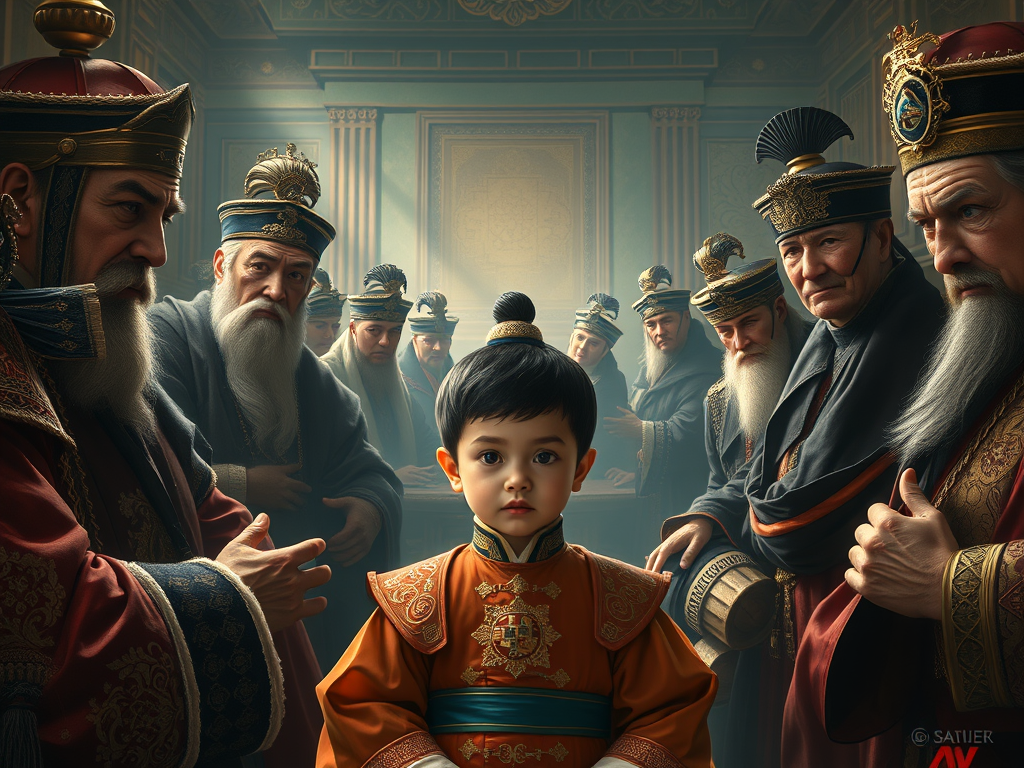
The absence of a strong heir in China’s imperial history has often led to instability, with regents and factions vying for control, resulting in chaos and rebellion. This pattern mirrors issues in European history, where child rulers faced similar power struggles. Ultimately, lack of a capable successor breeds conflict, jeopardizing…
-
 Continue reading →: Your Body: A Symphony of Rhythms and Health
The Pulse of Life: Why Your Body is a Symphony, Not a Snapshot Imagine you’re looking at a single frame of a movie. You see a person mid-air, a ball hovering near a hoop. Without the frames before and after, you can’t tell if they’re about to score a game-winning…
-
 Continue reading →: Chronotherapy: Timing is Key to Wellness
The article discusses how our body’s internal biological clocks influence personalized medicine, emphasizing the importance of timing in medical treatments. It highlights that beyond genetics, understanding individual rhythms can improve wellness and healthcare outcomes. As medicine evolves, aligning interventions with biological rhythms will foster more effective and dynamic healthcare solutions.
Clara Chang, M.D., Ph.D. Stories that thrill. Ideas that enlighten.

Dr. Clara Chang crafts captivating fiction and insightful nonfiction across a diverse range of topics, including psychology, health, thrillers, fantasy, and romance. Her work attracts a broad audience with its genuine voice, emotional depth, and intellectual clarity. Discover her latest works and inspirations.
You must be logged in to post a comment.