

Unveiling the Psychological Power of an Eclipse in ‘Eunuchs, Usurpers, and Heroes’
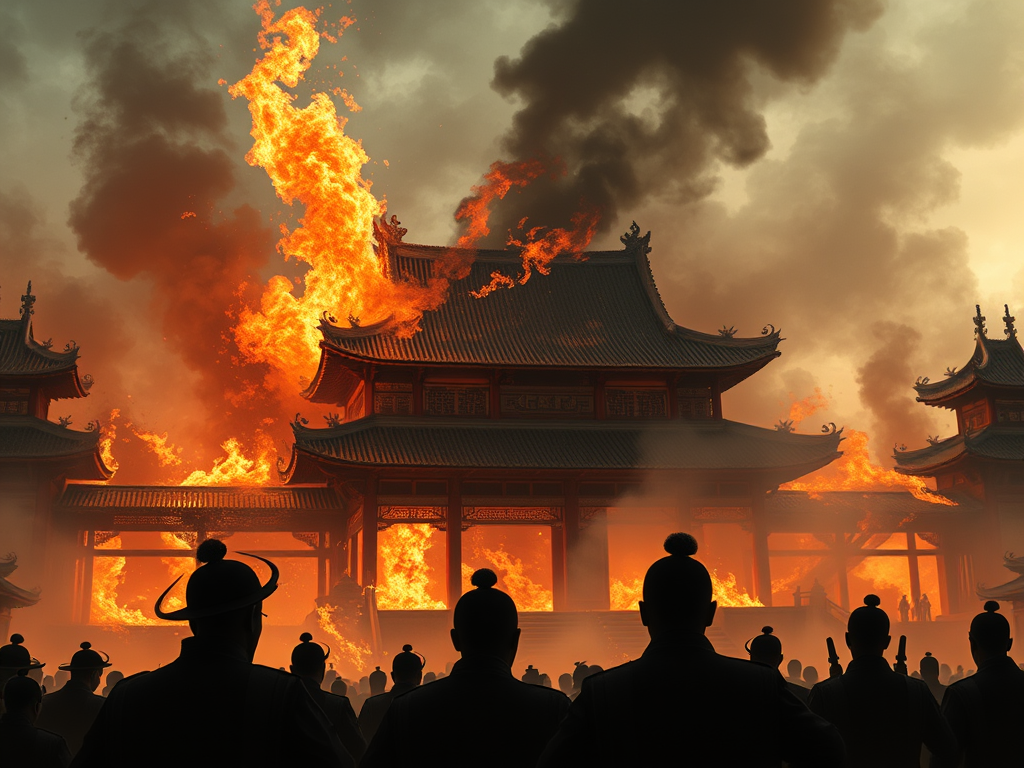
In the gripping first chapter, “The Eclipse,” of the novel “Eunuchs, Usurpers, and Heroes: A Three Kingdoms Thriller,” readers encounter a dramatic celestial event—a total eclipse. This event sets the stage for the political intrigue. It also introduces the psychological tension that unfolds throughout the narrative.
The eclipse described here was a real event, documented in historical records including the “Book of the Later Han (Hou Han Shu).” Dou Wu used the eclipse to persuade Empress Dowager Dou. He wanted her to remove the powerful eunuchs, such as Cao Jie. But what makes an eclipse so powerful, not only in fiction but in real life as well?
The Psychological Impact of an Eclipse
Historically, eclipses have stirred deep emotions, ranging from awe to outright panic. The sudden darkness disrupts our daily rhythm, evoking primal fears and existential anxieties. Psychologically, an eclipse symbolizes uncertainty and instability, prompting people to reflect on their lives, their leaders, and the future.
Cultural Perspectives: Chinese vs. Western Views
Eclipses have been interpreted in dramatically different ways across cultures. In ancient China, eclipses were often seen as ominous signs indicating displeasure from the heavens, particularly aimed at rulers. Such celestial events were believed to predict political upheaval or a shift in dynastic power.
In contrast, Western cultures historically viewed eclipses with a mix of fear and curiosity. People initially perceived them as signs of divine wrath. Later, they evolved into scientific opportunities to gain a deeper understanding of our universe.
Read more analysis from the book Ancient Minds, Modern Lessons: Timeless Psychology from the Three Kingdoms.


Leave a Reply