

The Western Comparison: Nobles vs. Commoners
In ancient Western societies, class was also stratified—but differently. Aristocracy in Europe was based on birth and land ownership, not examination success. Noble blood, not intellectual merit, determined status. Although commoners could rise through military service or wealth, they rarely escaped the stigma of their birth class.
In Confucian China, national exams and state service offered upward mobility, at least theoretically. In contrast, the West often locked people into fixed classes.
Ironically, the merchant class in Europe gained social power more quickly than in China. This change was especially noticeable with the rise of capitalism during the Renaissance.
Class and Culture Today
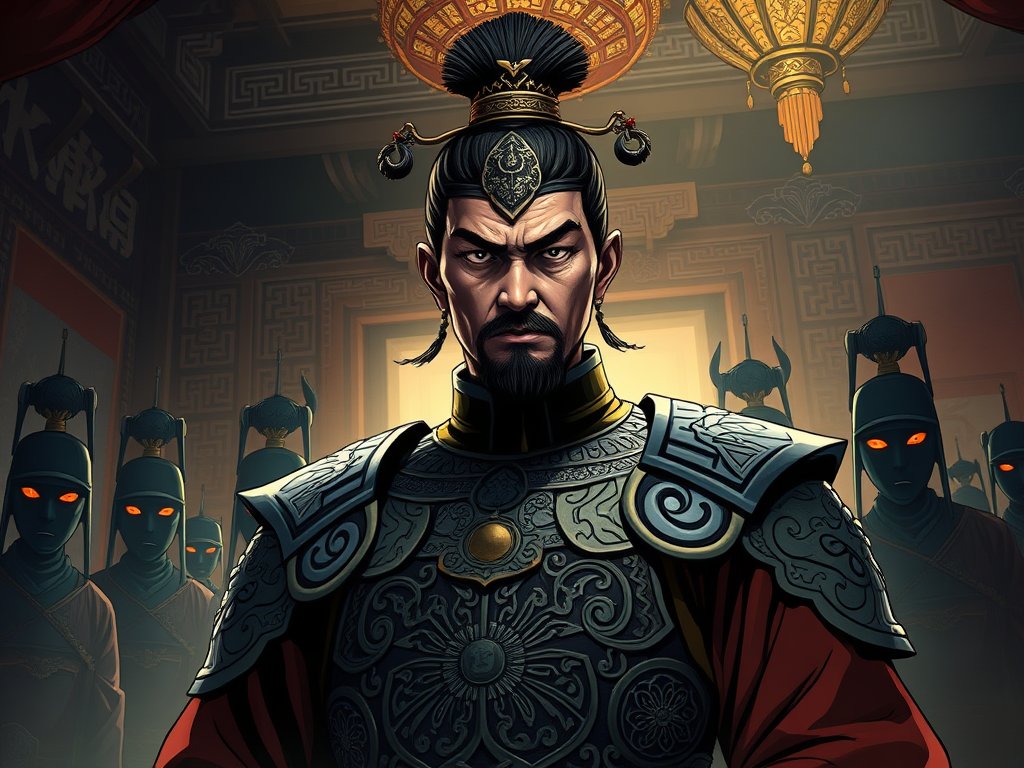
Dong Zhuo’s attitude in Eunuchs, Usurpers, and Heroes: A Three Kingdoms Thriller portrays a society. In this society, status is tied to bureaucracy. This legacy continues to influence attitudes in East Asia, where civil service jobs are highly prized. Meanwhile, in the West, entrepreneurship and wealth have largely replaced aristocracy as the primary markers of social status.
The lesson? Whether ancient or modern, East or West, every society establishes a social hierarchy.
The question is: do we let it define us?
The book, “Ancient Minds, Modern Lessons: Timeless Psychology from the Three Kingdoms,” further explores these concepts.



Leave a Reply