
Why Corruption Breeds Revolt: A Psychological Look
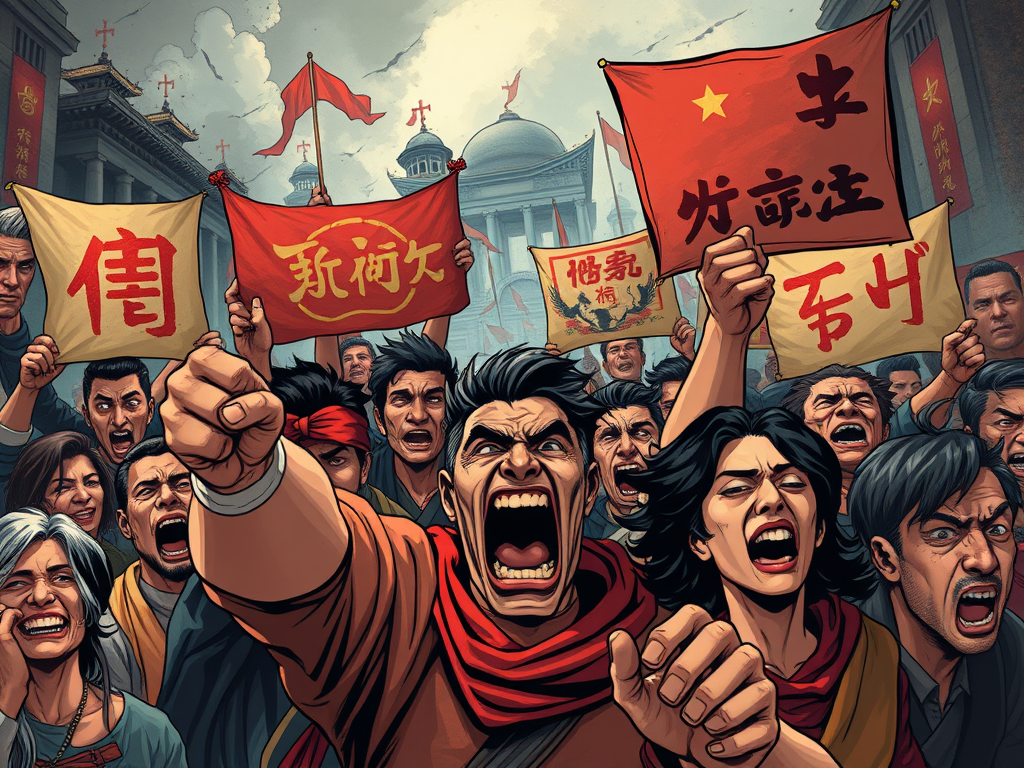
Corruption hits ordinary people hardest. When the rich and powerful manipulate the law or buy government positions, they break the social contract. Psychologically, this creates what scholars call “moral outrage”—a deep, emotional reaction triggered by a sense of injustice and betrayal.
People are especially enraged when corruption contradicts the values their leaders claim to uphold. The Han Dynasty, rooted in Confucian ideals of virtue and harmony, became a breeding ground for hypocrisy. When people saw Confucian slogans on banners, but greed behind closed doors, their anger exploded.
East and West: Two Histories, Same Rage
China is not alone in this pattern. In ancient Rome, corruption in the Senate and imperial excess led to populist revolts. In pre-revolutionary France, resentment toward the nobility’s tax exemptions helped spark the revolution. Across cultures, systemic corruption often marks the tipping point between discontent and rebellion.
Conclusion
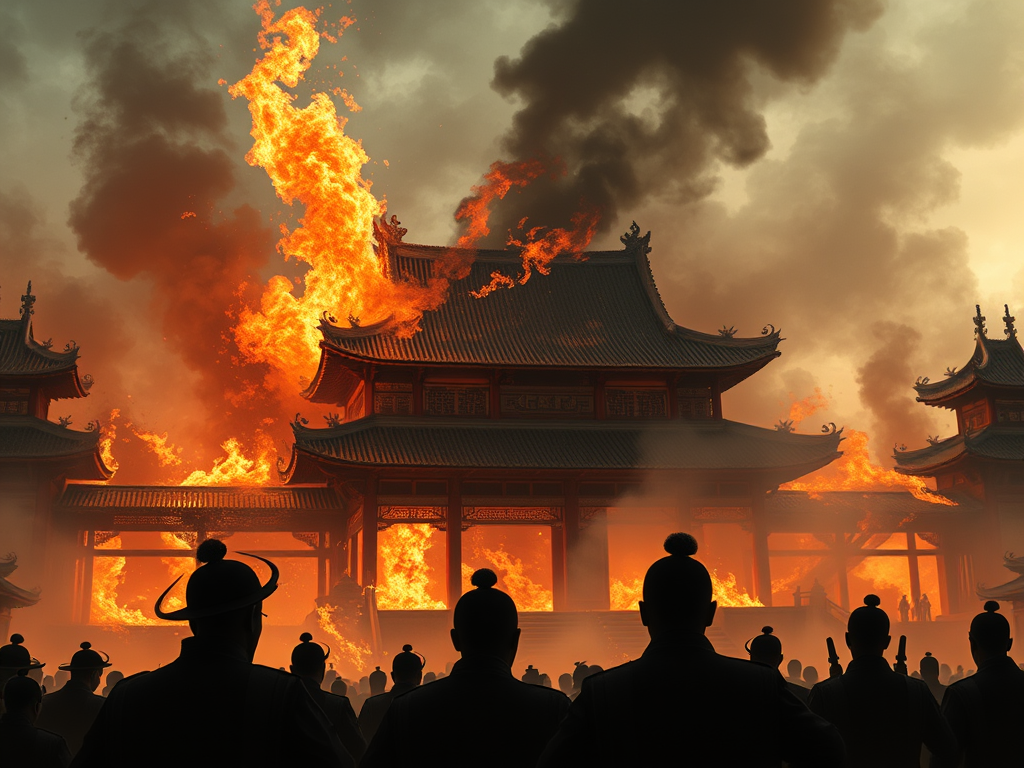
Corruption, left unchecked, doesn’t just topple rulers—it ignites the righteous fury of the ruled. And once that fire starts, no amount of gold can put it out.
The book, “Ancient Minds, Modern Lessons: Timeless Psychology from the Three Kingdoms,” further explores these concepts.


Leave a Reply